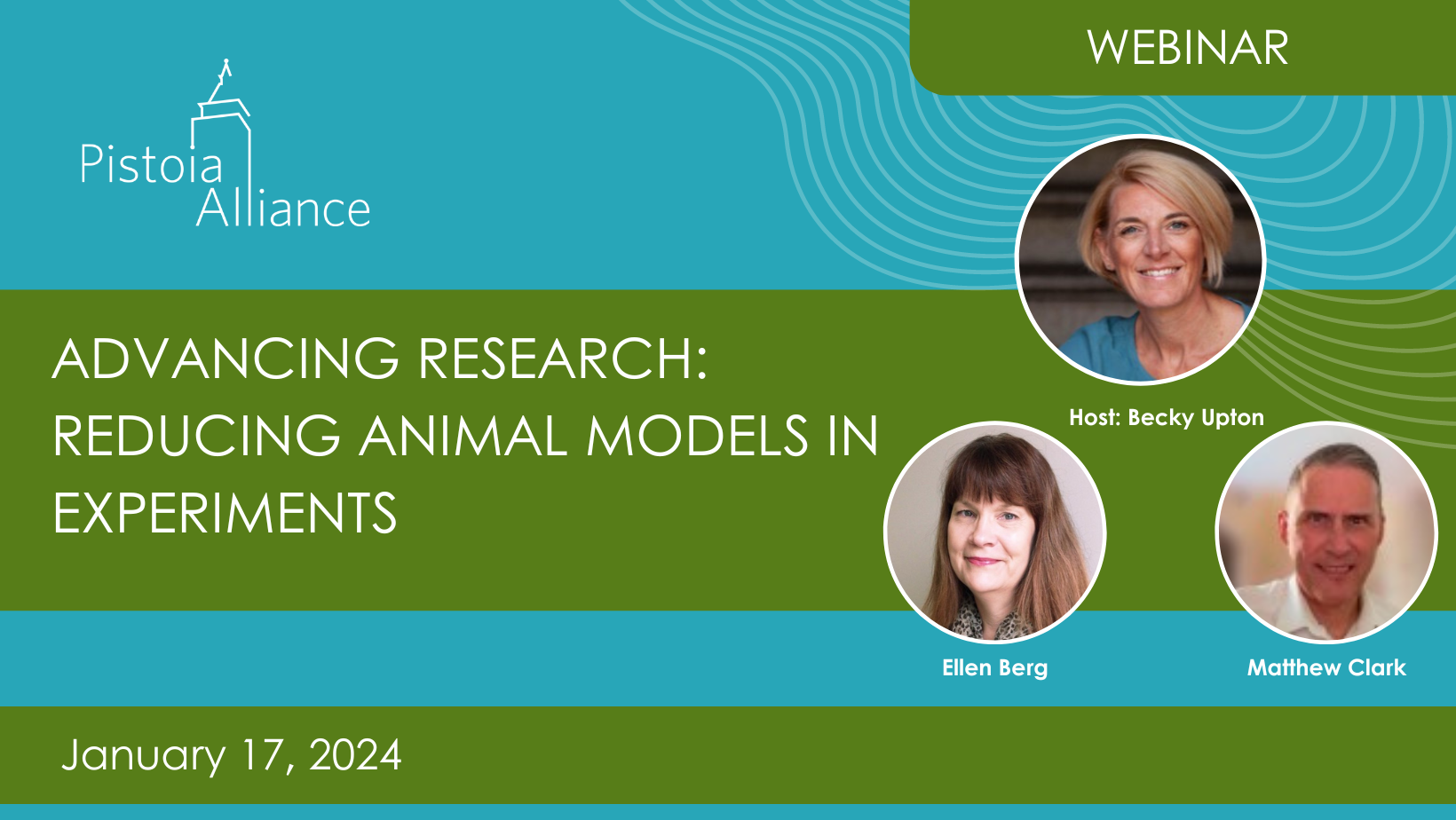
“Advancing Research: Reducing Animal Models in Experiments” addresses the pressing need to reduce reliance on animal models in scientific research, particularly in light of the FDA Modernization Act 2.0. The event encompasses an overview of the current research environment, exploring innovative alternatives such as virtual control groups, organ-on-a-chip technology, and in-vitro methods.
A recently released white paper of the Health Systems task force of the Sustainable Market Initiative estimated the global clinical trial footprint to equal up to 100 million tons of greenhouse gas emissions a year. This is leading to environmentally conscious behaviors and increasing awareness around clinical trials specific impacts and leading the pharma industry to a need for measuring carbon footprint at a corporate level to meet corporate long-term sustainability objectives.
The collaborative Pistoia Alliance initiative is providing an opportunity for members from different companies for building a model in standardising the evaluation of carbon footprint. The rationale and objectives of this project will be detailed during the webinar
Drugs can cause unwanted undesirable effects called adverse reactions, or side effects. In addition to lack of drug efficacy, safety issues caused by these reactions are a major reason for clinical trials to fail. Identifying adverse reactions in preclinical stages can help to reduce the risk associated with drug development and improve patient safety.
In-vitro and in-silico predictive toxicology models can be used to identify adverse reactions at an early development stage. However, they require reliable, quantitative data on adverse event incidence rates for calibration and training. While a great deal of clinical and regulatory information on adverse drug events is publicly available, the data itself is often unstructured, limiting its accessibility. The variety of ways in which the relevant information is reported provides a challenge for data extraction at scale.
Using a test set of 865 FDA-approved small molecule drugs, we demonstrate a workflow for extracting adverse reaction incidence rates from clinical trials, drug labels and literature. To ensure statistical robustness and comparability between drugs, we identify patient numbers and the monotherapy status of the underlying trials. Using a combination of public and proprietary natural language processing tools, we supplement the extracted incidence rates with dosage, route of administration and formulation data. To compare the results from clinical trials with data from post-market reports, we perform a disproportionality analysis using FAERS data. In this webinar, we will present our approach to solving the challenges in data collection and summarize the top results from both search strategies, using gastrointestinal toxicity as an example.
The shortage of women in STEM is well documented. Just a quarter of the STEM workforce are women, yet research shows that diverse teams are more productive.
In this fireside chat, our expert panel of speakers examine the biggest barriers for women embarking on a STEM career and discuss the importance of workplace culture and having female role models.